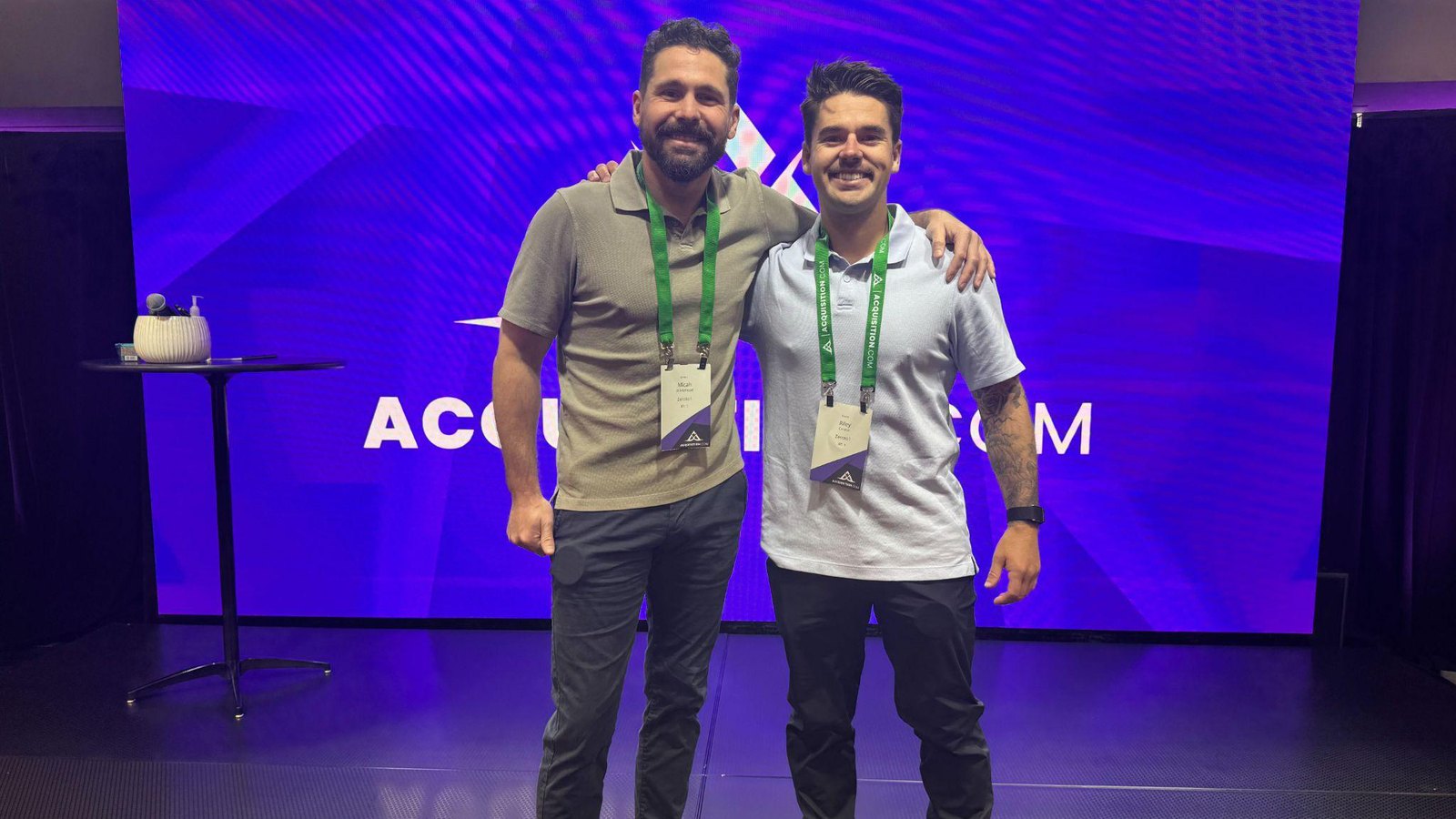
Scaling the Unscalable: The Co-Founders' Ten-Year Creator Playbook
This is our origin story, told as an audit of where our playbooks came from. It is the DNA of zeroto1, and a playbook with a history behaves differently than a playbook with a pitch deck.
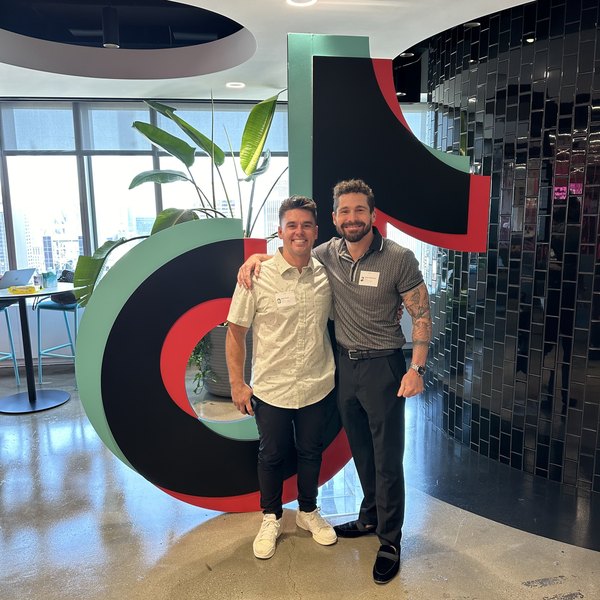
Micah Whitehead and Riley Cronin started zeroto1 after ten years building the creator playbook together, first at Shipt, now for the brands on this site. This is where it came from.
Micah Whitehead, CMO · Riley Cronin, CEO · Co-Founders
Every system we run today, the creator communities, the affiliate engine, the Meta flywheel, live shopping, was built and proven years before TikTok Shop existed. The platform is new. The play is not.
The bet
We met on the founding team of Shipt, a grocery delivery startup out of Birmingham, Alabama, in 2015. Instacart had a three-year head start and over $200 million raised. We had neither.
The founder's tagline never changed: we are a relationship-based company with good tech. Every competitor in the category was betting on technology. We bet on people. That sentence is the whole company, ours included.
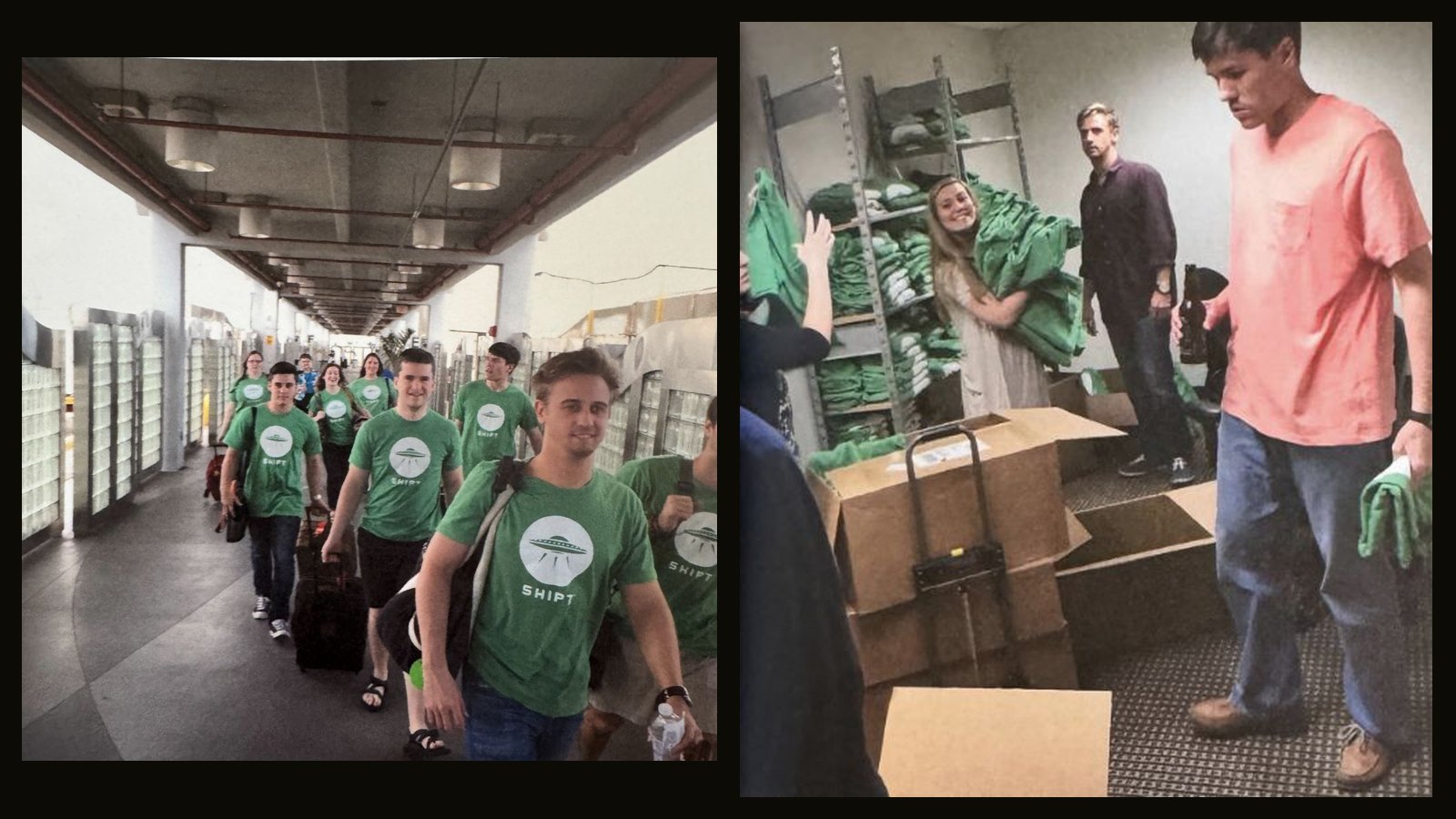
The two of us ran parallel tracks. One drove demand in every new market. The other drove supply, living out of a suitcase, launching two to three cities a week, packing shopper kits in a back room on Sundays. In every city we threw shopper parties, and the parties taught us the first lesson: community was not a brand exercise. It was the launch mechanism. That shopper community grew past 100,000 members, and we connected it with a weekly behind-the-scenes content series that customers and partners followed like a show. The industry now calls that format a franchise content series and named it the organic trend of 2026. We shot ours eleven years ago.
The prediction
Growth has a habit of outrunning the playbook that produced it. The launch system that carried the early markets was not built for the markets that came next, and each new city was bigger than the one before. We needed a bigger play and we did not have a bigger budget.
That is when we watched Gary Vaynerchuk make a prediction almost nobody acted on: micro-celebrity. Not the influencer with two million followers. The long tail, the person with 900 or 13,000, whose recommendation converts because it is a friend's. He closed with the line that became this company's operating principle. The best stuff, the stuff that sells the most, is always scaling the unscalable. If it were scalable, everybody else would already be doing it.
So we tested it, on nights and weekends, with the Austin launch. An ice cream truck in a park. The community invited. Every micro-influencer and blogger we could find, documenting the launch. It worked, and the founder's response set the next five years: stop doing your day jobs and turn this into a launch playbook.
The problem left to solve was the one in the tagline of this article. An idea that took a month to plan for one city had to run for two or three cities every week, all year. That is the job we have been doing ever since.
Relationships over ROAS
Hundreds of micro-influencer deals taught us the economics that still govern everything we build. When an influencer referred us to another influencer, the fee dropped 30 to 50 percent with no negotiation. When we invested in the relationship, the texts, the calls, celebrating the post, the second and third collaborations came back cheaper and better than the first. Relationships were not the soft side of the business. They were the margin.
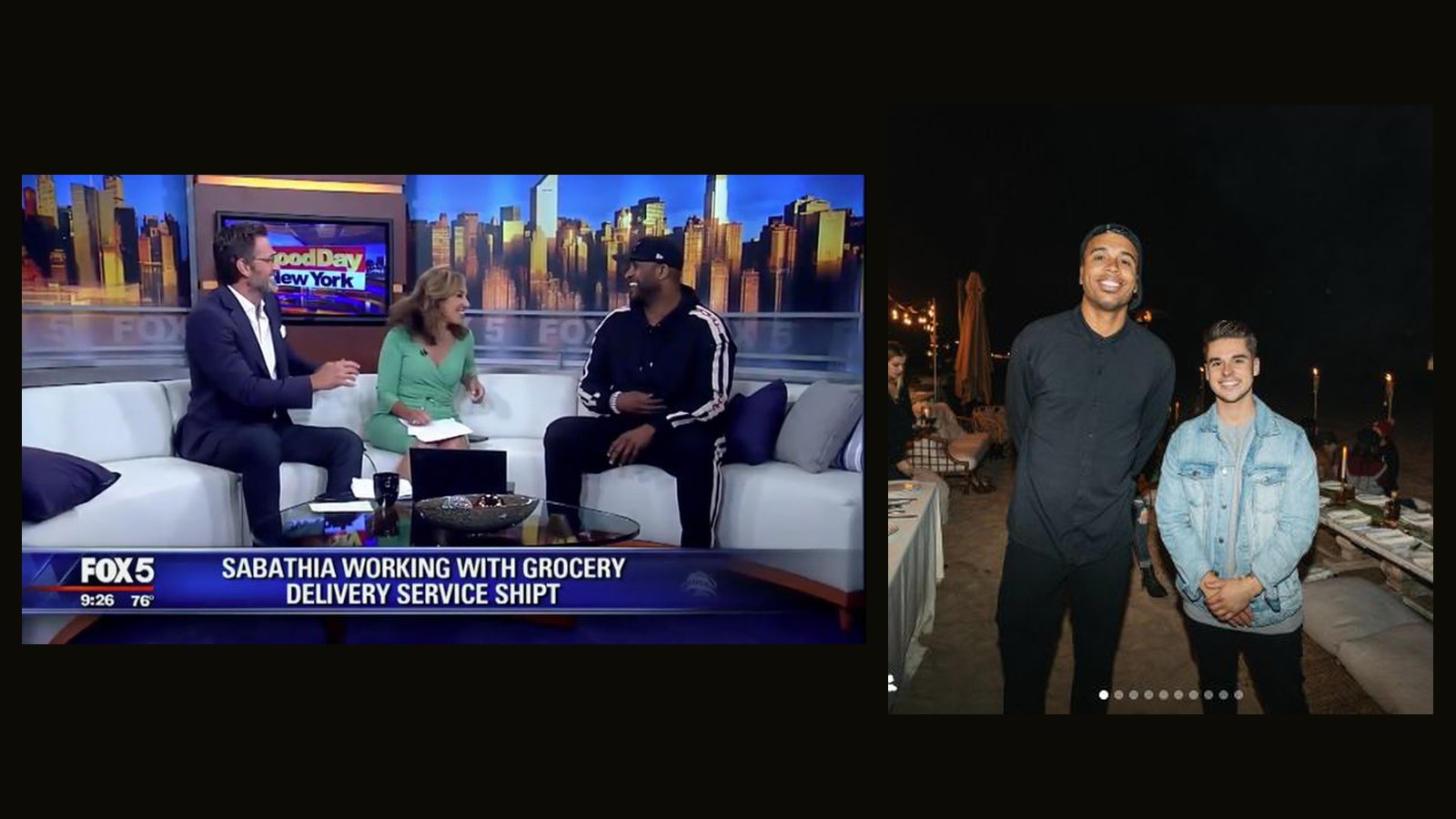
So we ran the principle up the ladder. If relationships beat rate cards with small creators, they could open rooms we could never buy our way into. We called it the next-level connector strategy: find the person the talent already trusts, and partner with the connector instead of cold-pitching the star. That is how a bootstrapped Birmingham startup launched New York, Instacart's fortress market, with CC Sabathia fronting a full-funnel campaign, production, ads, landing page, press, and organic, secured for a charity donation instead of a market-rate fee.
Performance influencer, before it had a name
By 2018 the model had a thesis. The industry used influencers for awareness. We used them as a creative engine, and every campaign was built to one end: assets that scale on Meta, our hero channel. Meta noticed. We were invited into the Facebook Disruptor program, a room for the twenty most innovative advertisers on the platform, to explain what we had figured out.
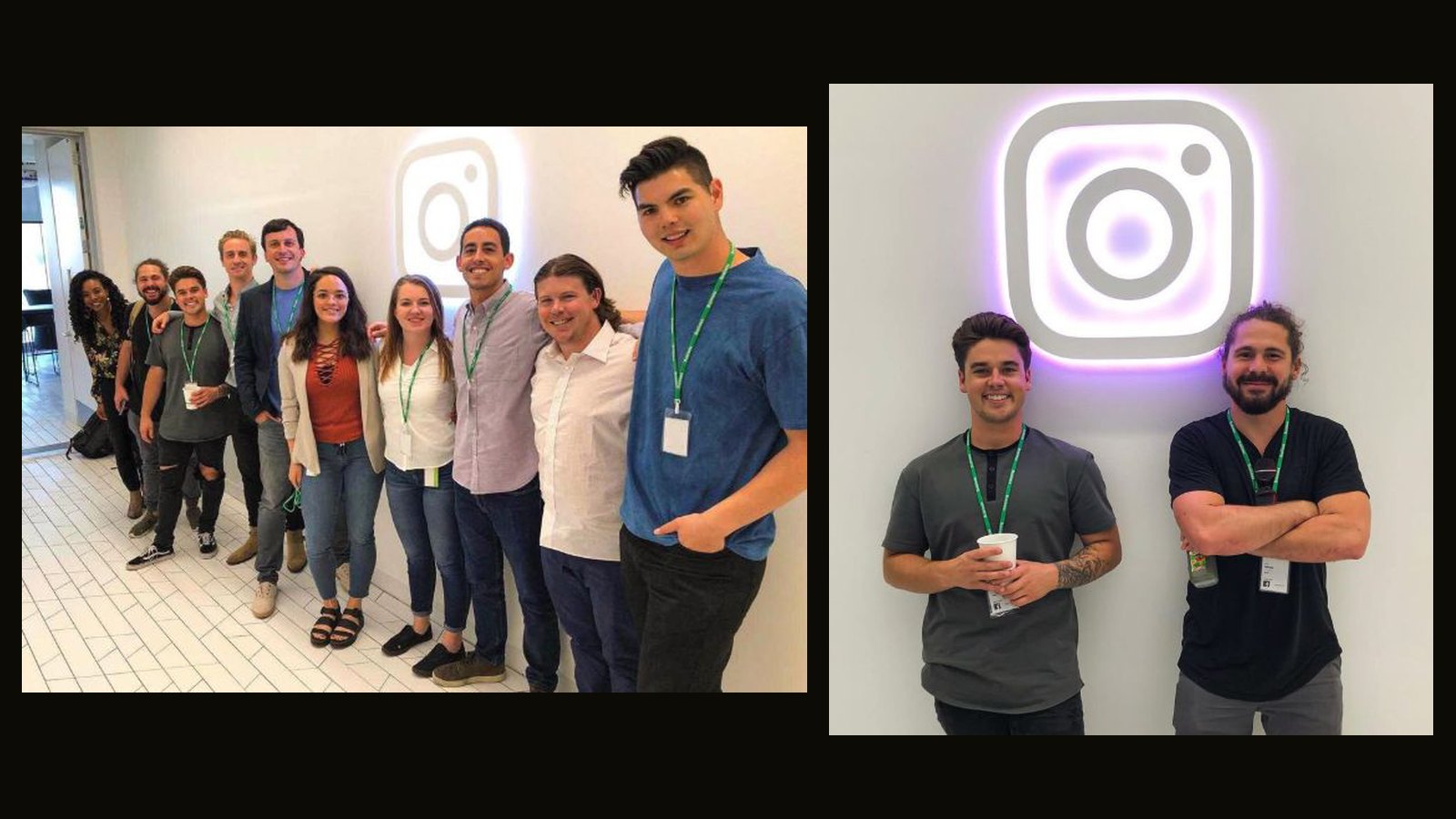
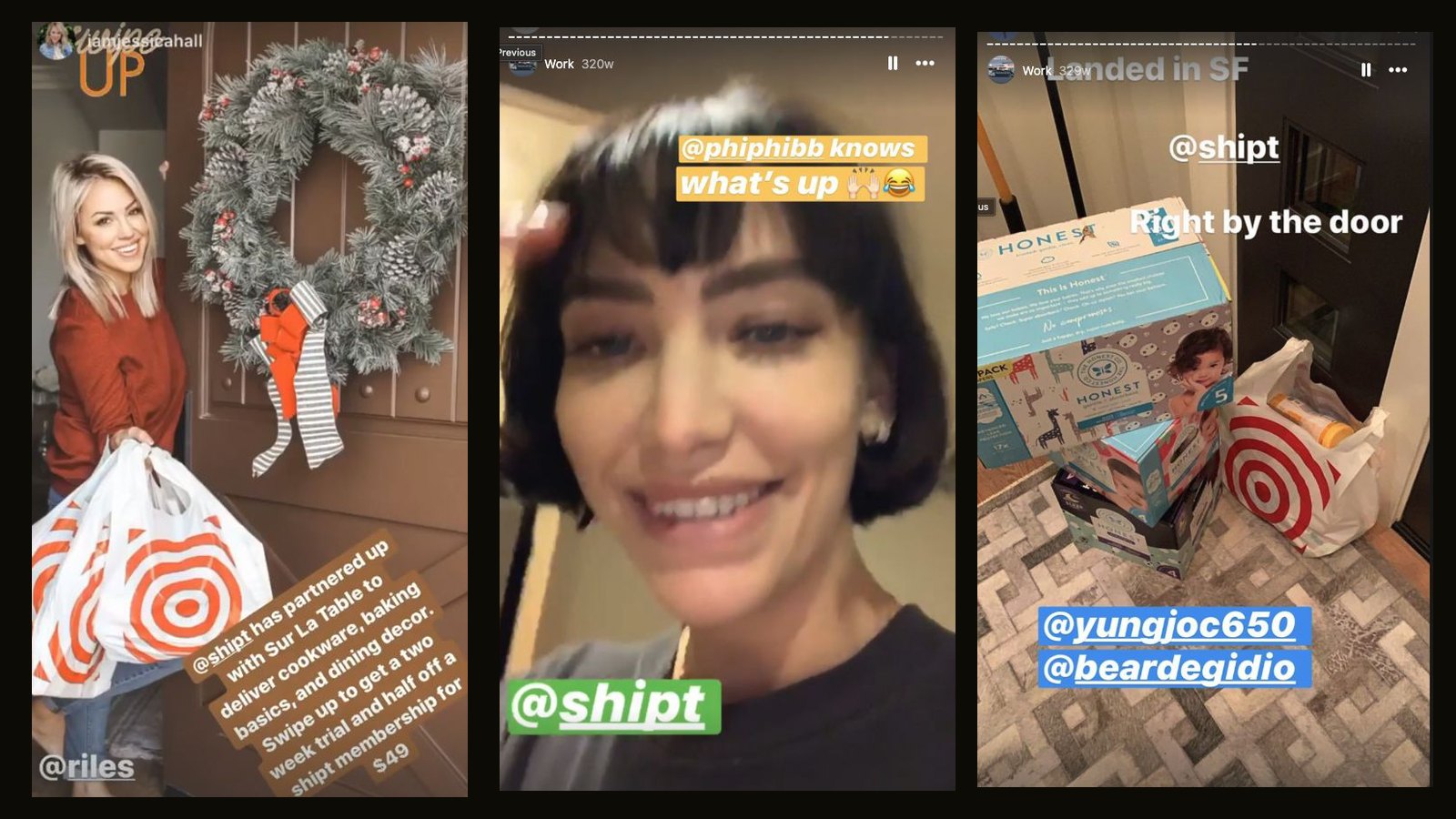
Then came the launch that became the blueprint for everything we now run on TikTok Shop. Los Angeles was the second-biggest market on the roadmap and there was no budget for a macro name. The question we asked instead: what happens if hundreds of small creators promote us on pure performance, a grocery credit, a membership, an affiliate link? Two hundred creator affiliates posted a few times a week for months, and LA became the fastest-growing market in the company. That was the creator affiliate model, working at full scale, five years before the Four Profit Pillars gave it an operating system.
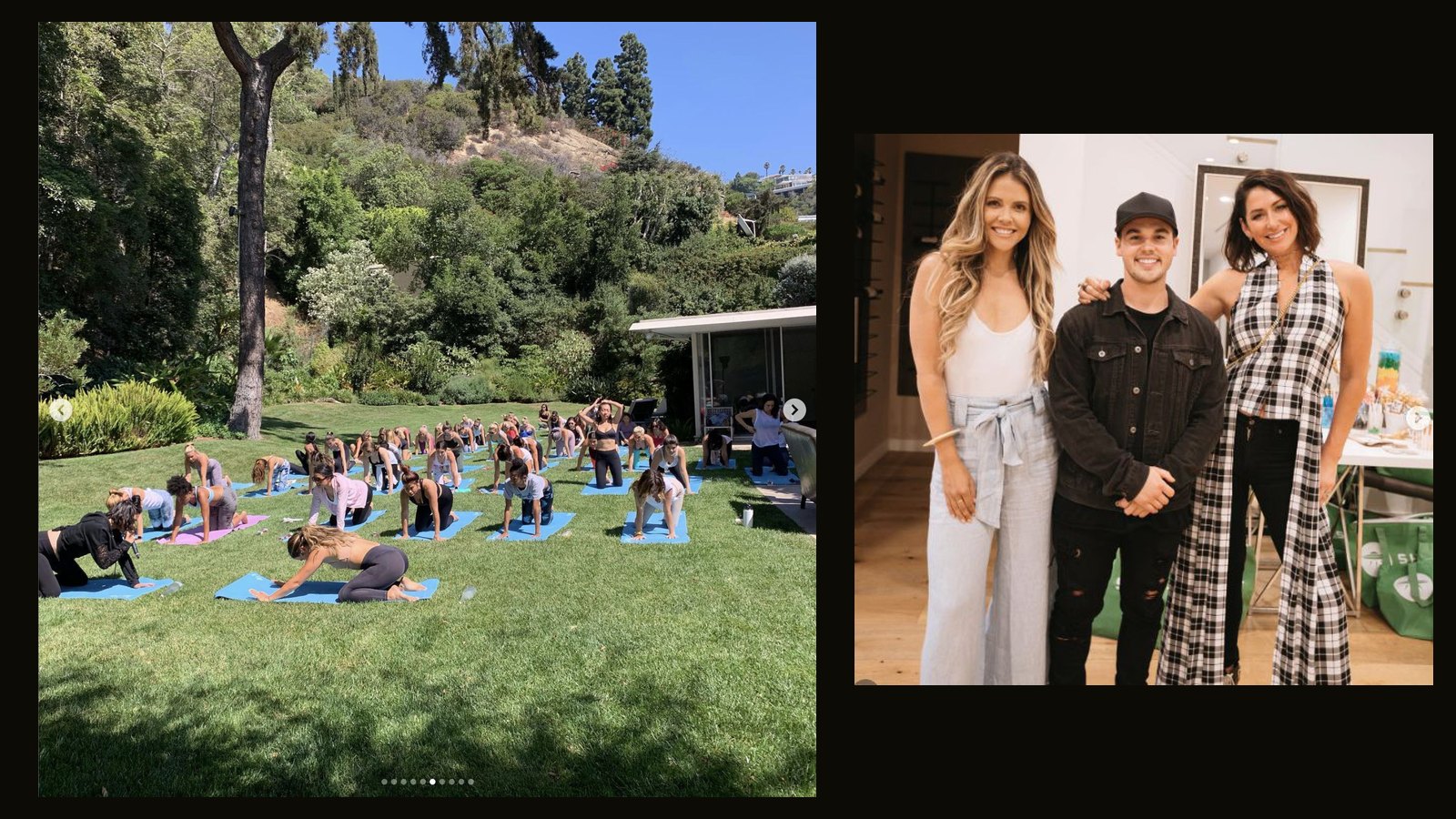
The same era produced the content economics we still run. Instead of paying mid-tier influencers a thousand dollars a post, we put the same budget into an event they wanted to attend, kept a camera rolling, and pulled everyone aside for testimonials. A tenth of the cost per asset, and a standing pipeline of top-performing ad content. A wellness retreat with the founders of Tone It Up became the most successful campaign in company history at the time, in part because they brought their own community with them, one community igniting another. A dinner at Gabrielle Union's home, wrapped in a sweepstakes, then beat it.
The finale
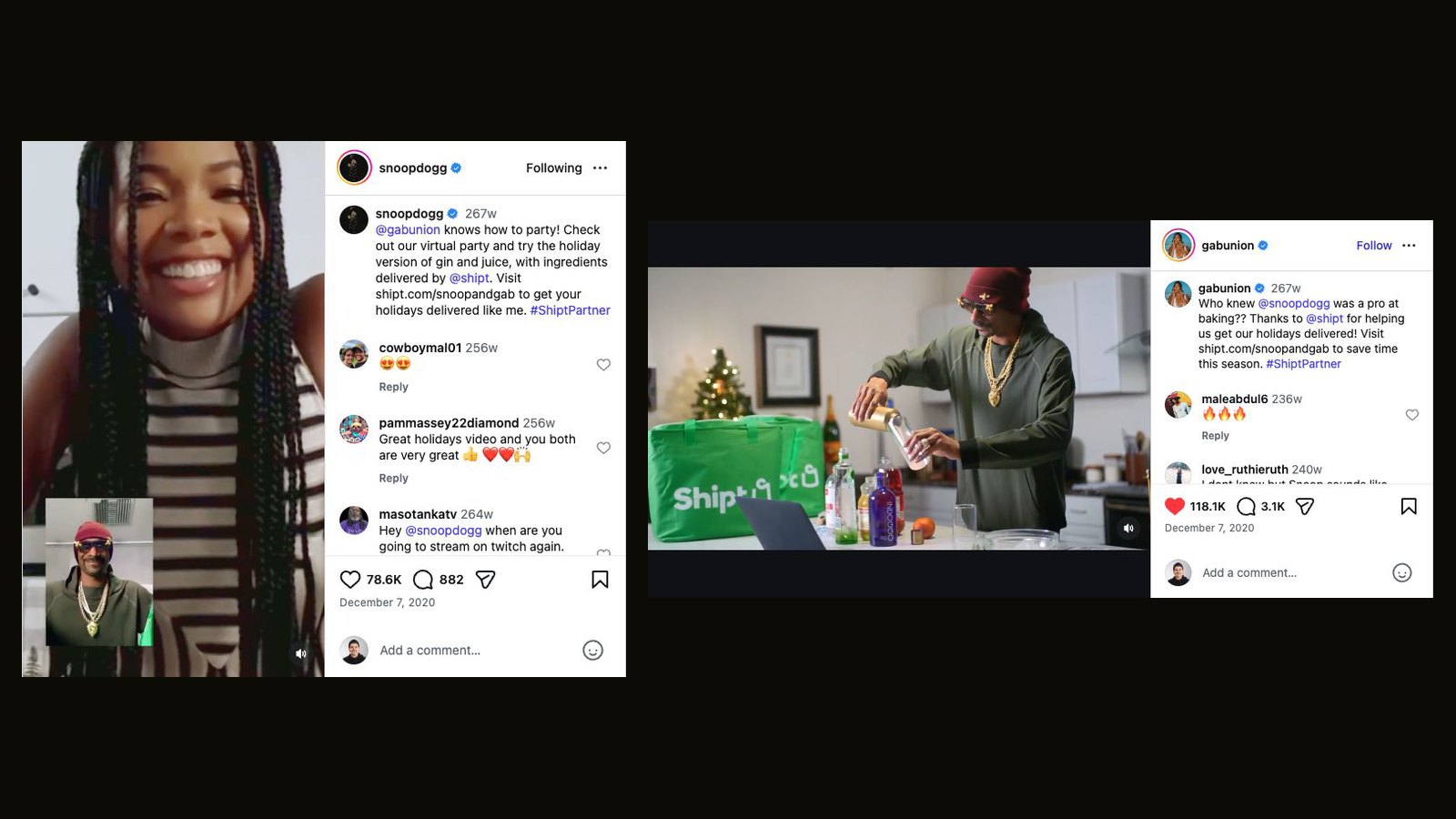
We wanted to leave Shipt with the biggest marketing win in its history, and then COVID took the entire experiential playbook off the table. People could not gather. Which meant people could not gather with their families either, and that constraint was the idea. We produced a virtual holiday variety show over Zoom with Snoop Dogg and Gabrielle Union, two productions, one at each of their homes, and ran the full-funnel play: ads, landing pages, email, press, organic. Five hundred million impressions. Pickup from every major press outlet. The highest-grossing ads in Shipt's history.
The constraint did not kill the playbook. The constraint was the playbook.
When Target acquired Shipt, the press release named three reasons. One of them was the community, shoppers, customers, creators, partners. A community showing up in the rationale for an acquisition is the plainest evidence we know that relationships compound into enterprise value.
The same play, ten years on
Peter Thiel defines zero to one as creating something entirely new rather than improving something that exists. Ours is simpler: idea, execution, outcome, in territory with no map.
- 2015Micro-influencer launches
- 2018Performance influencer
- 2020200 creator affiliates
- 2023TikTok Shop
- 2026Social commerce AOR
Read what each play became. The 200-affiliate LA launch became the creator acquisition engine that messages a hundred thousand creators a month. The shopper community became the creator communities we now build as brand-owned infrastructure. Performance influencer became the Meta flywheel, content proving itself with sales before a dollar of paid distribution. The weekly lives we ran to our own community became the live shopping practice. Even the failure patterns transferred: markets stall for the same reasons creator programs stall, and the exit is the same door.
Social commerce is compounding at three times the pace e-commerce did, and the pattern we lived once is repeating. In 2015 the safe opinion was that influencers could not drive performance. In 2020 it was that affiliates could not launch a market. In 2023 it was that TikTok Shop was a discount bin. The safe opinion is now zero for three.
The best stuff, the stuff that sells the most, is always scaling the unscalable. We have been doing exactly that for ten years. The platform finally caught up.